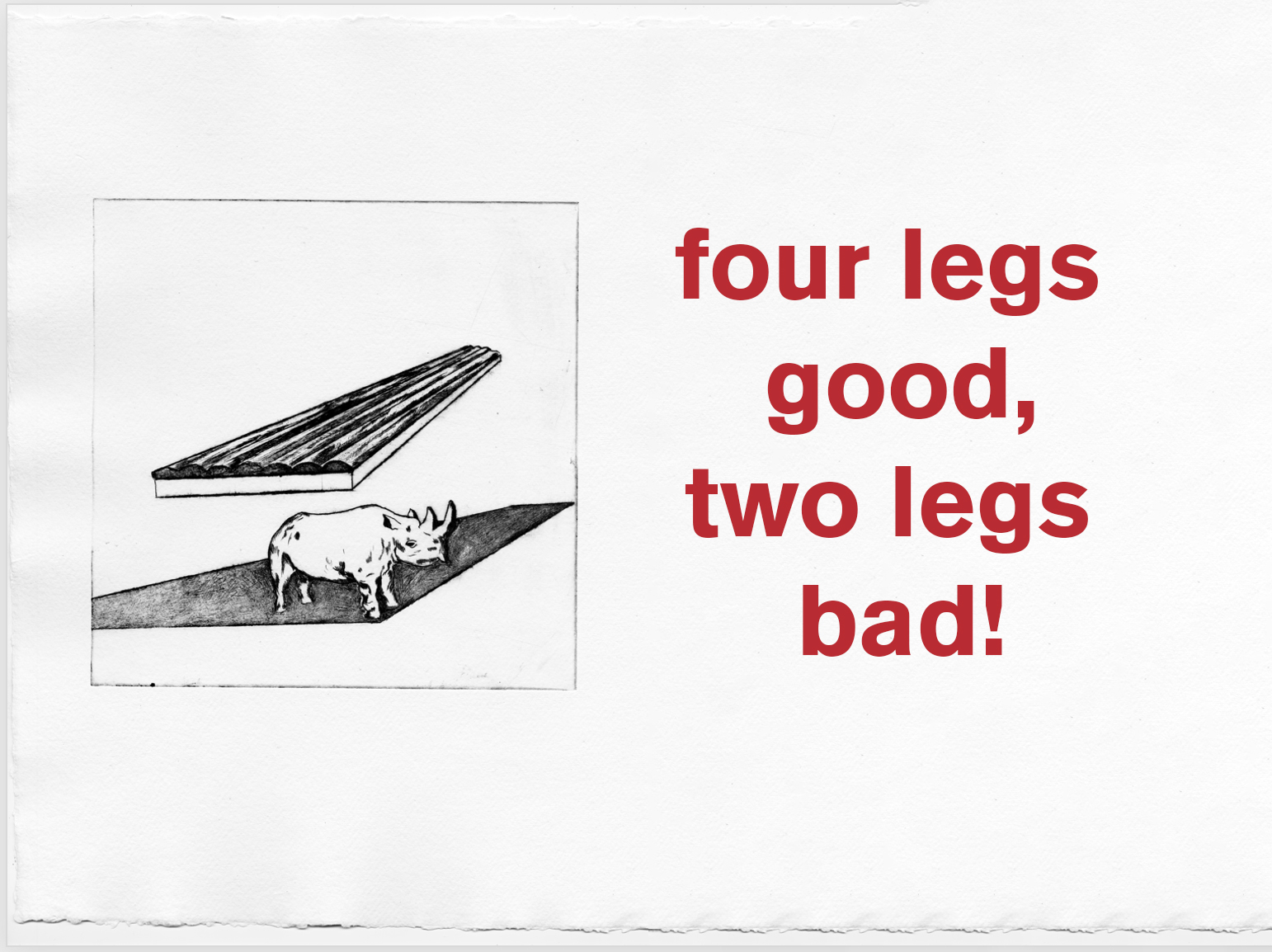
Four legs good, two legs bad!
We look forward to welcoming you back in September for a new gallery season with our group exhibition, Four Legs Good, Two Legs Bad!.
The presentation, featuring works by Noor Abed, Ni Haifeng, Jackie Karuti, and Daniel de Paula, is conceptually inspired by George Orwell’s Animal Farm. It touches on themes related to the infrastructure of our society and its contradictions, the dangerous oversimplification of political propaganda, existentialism, and collective memory as it gradually fades away.
Opening:
Friday, 4 September 2026
17:00–19:00
Sikkens Prize 2026
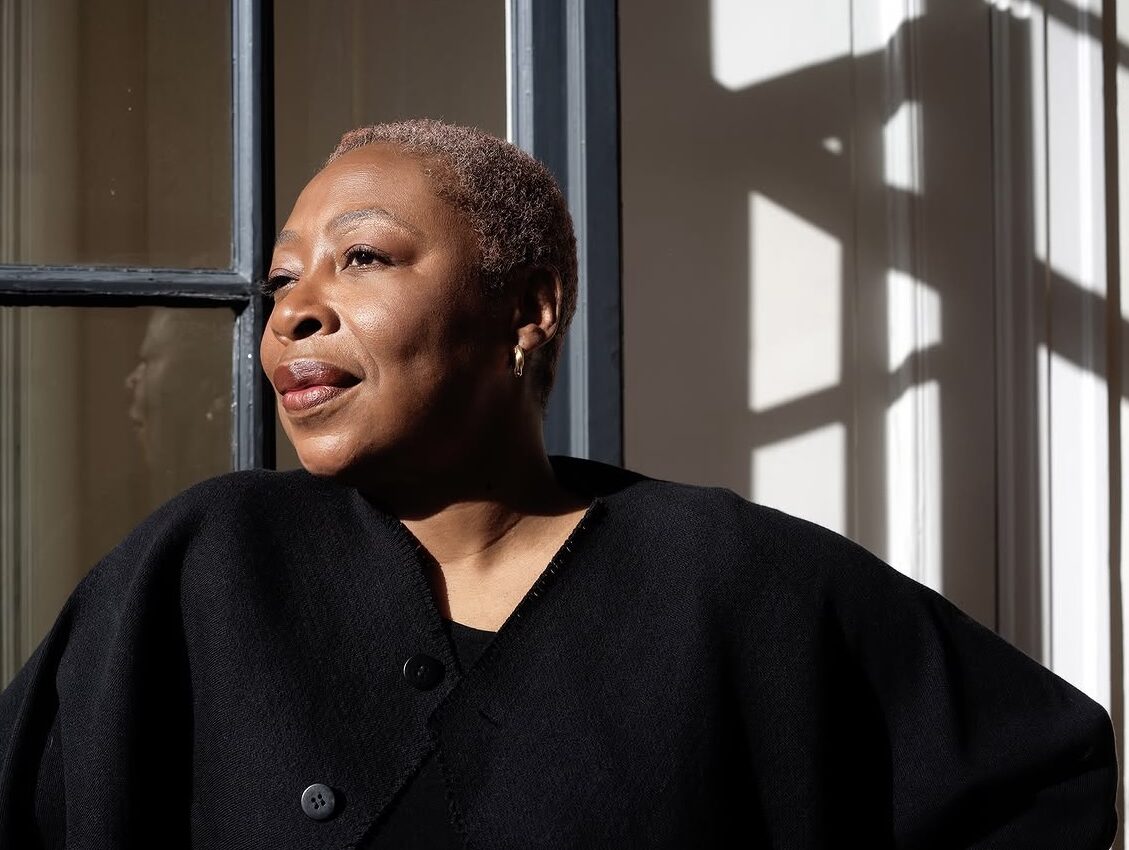
Otobong Nkanga Awarded Sikkens Prize 2026
Otobong Nkanga (1974, Kano, Nigeria) will receive the Sikkens Prize 2026 on Monday, 26 October.
The Sikkens Prize honours an artist or collective who is pioneering in the field of colour. The Sikkens Prize highlights an individual or collective every two years who makes a significant contribution to the field of colour. The prize is a mark of recognition and appreciation for exceptional achievements in which colour, as a fundamental force, shapes and transforms the world.
The prize is awarded to Otobong Nkanga because, in a time that calls for both imagination and responsibility, she shows that the power of colour begins where it awakens in the earth, in the community, in life itself.
The artist receives a sum of €75,000. She will also be honoured with the exhibition Humus Blues at Singer Laren, opening immediately after the award ceremony and on view for four months.